
Vit Tall Critical Infrastructure Network Analysis Software User Interface (UI)
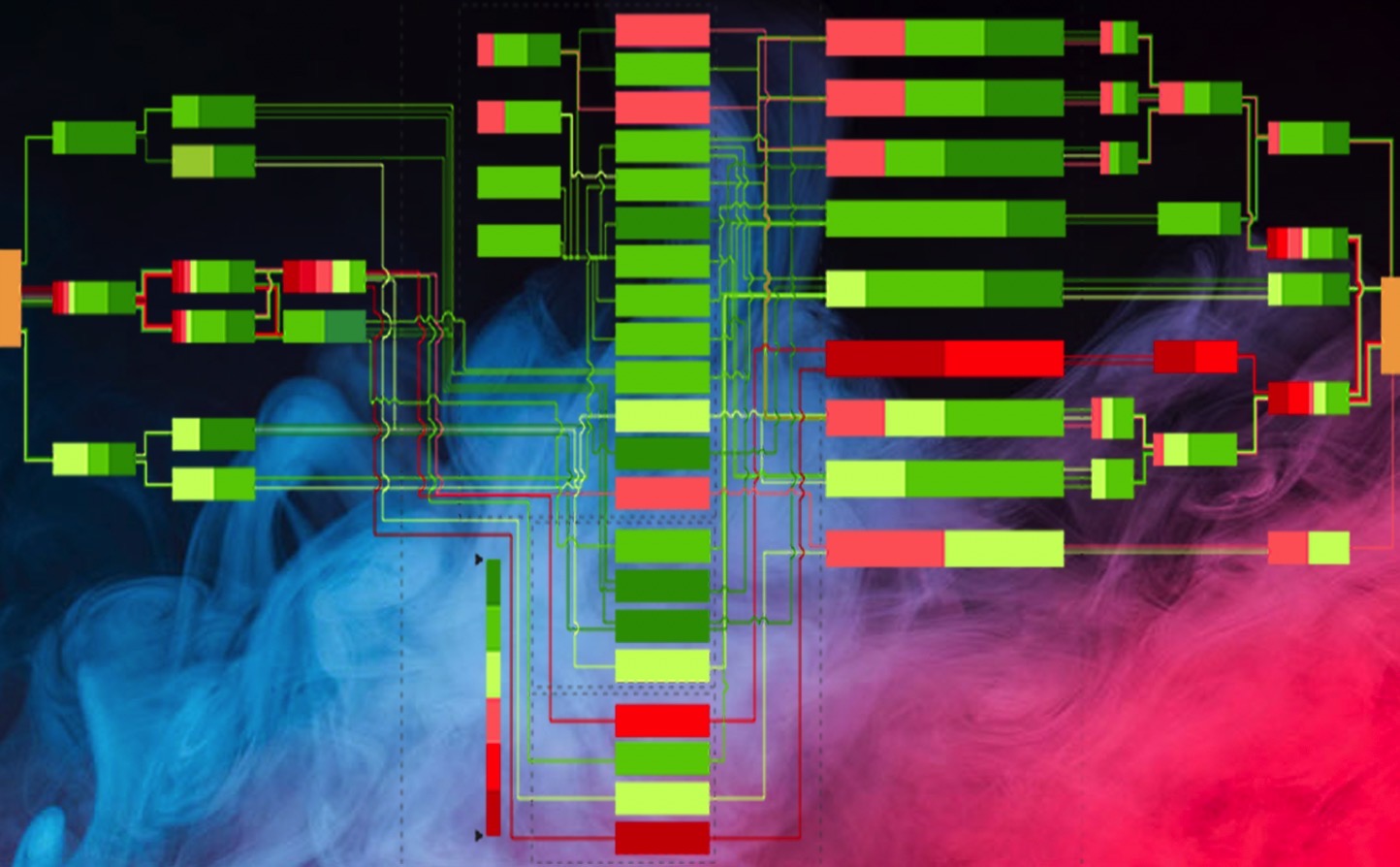
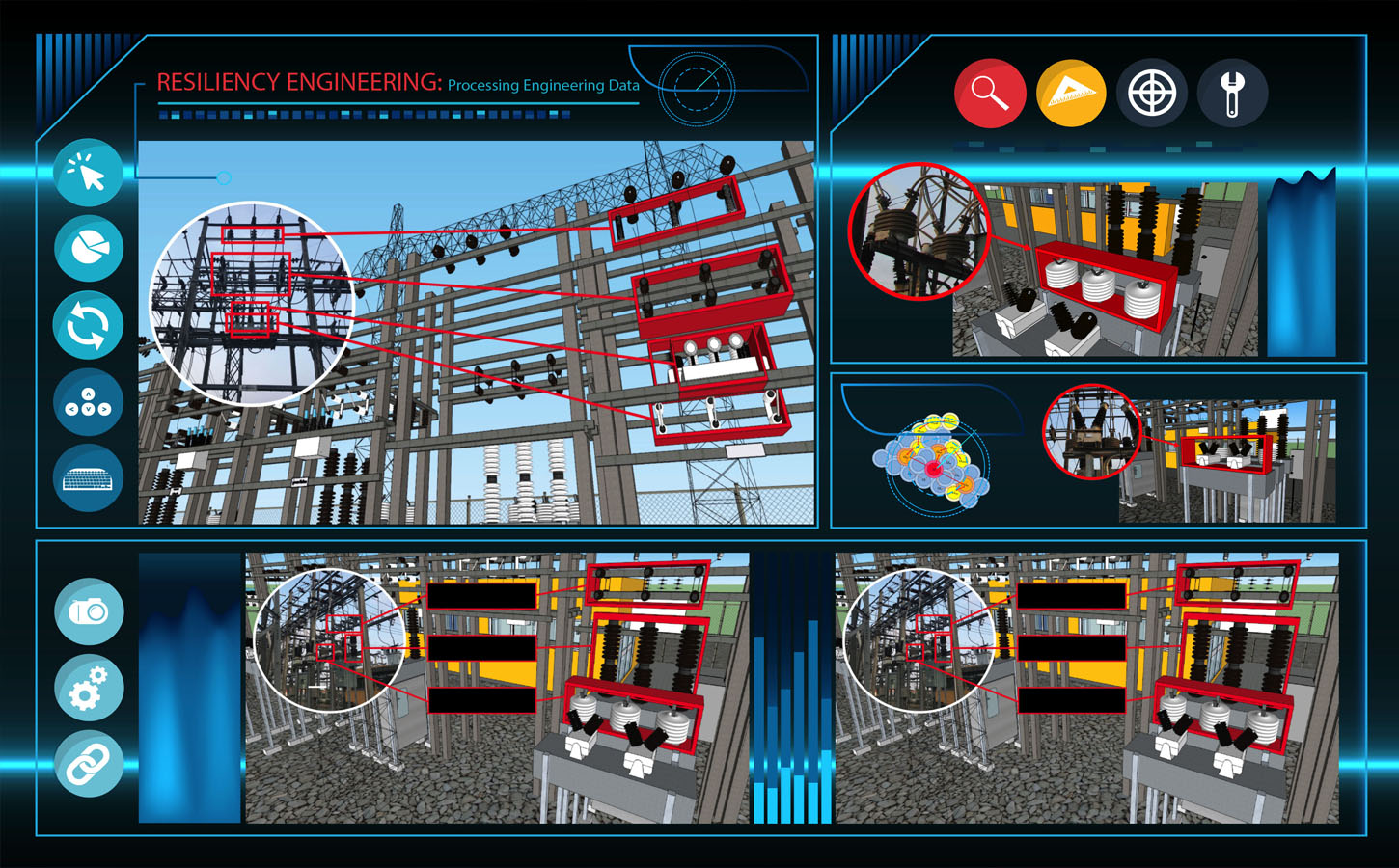
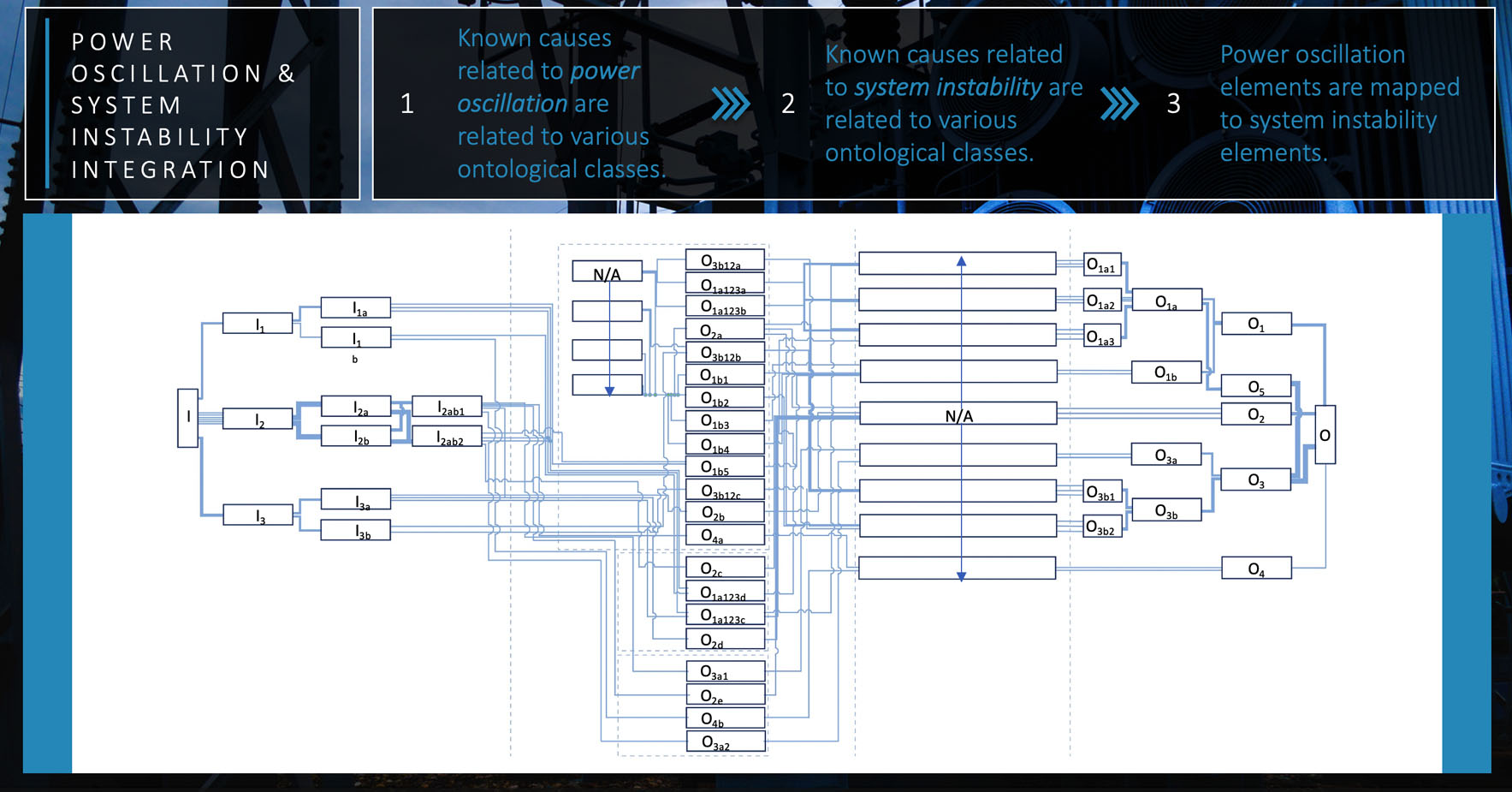
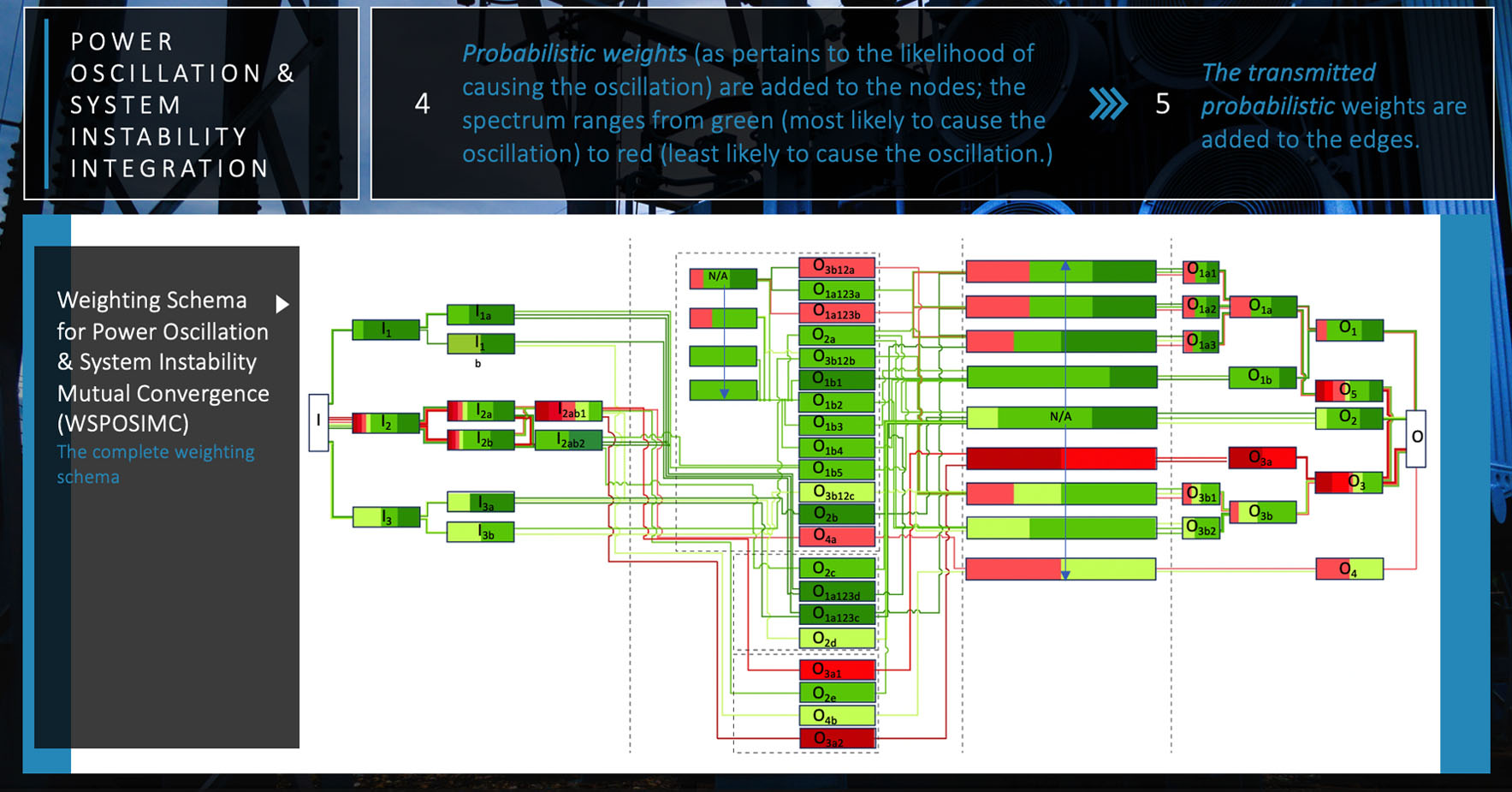
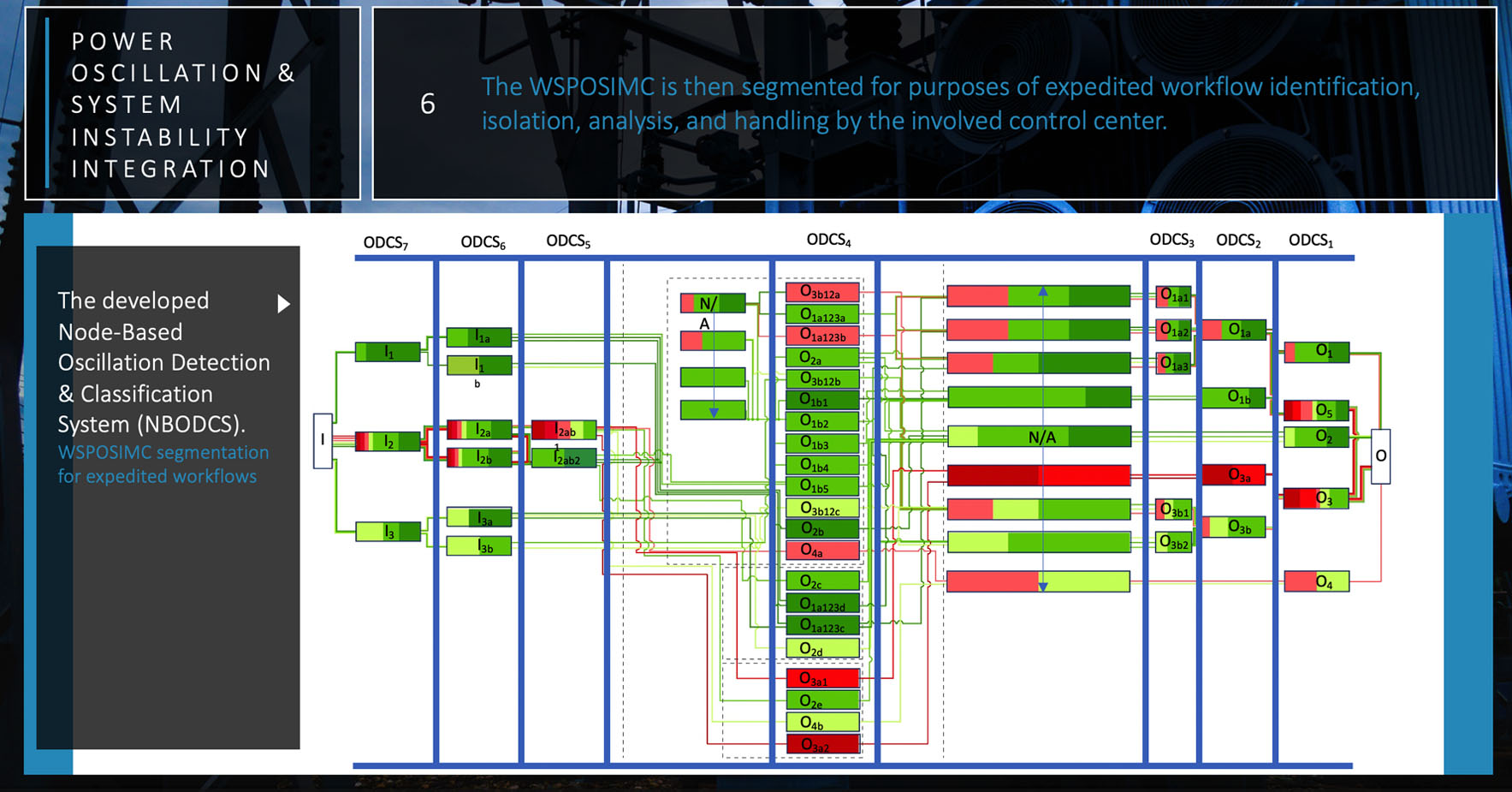
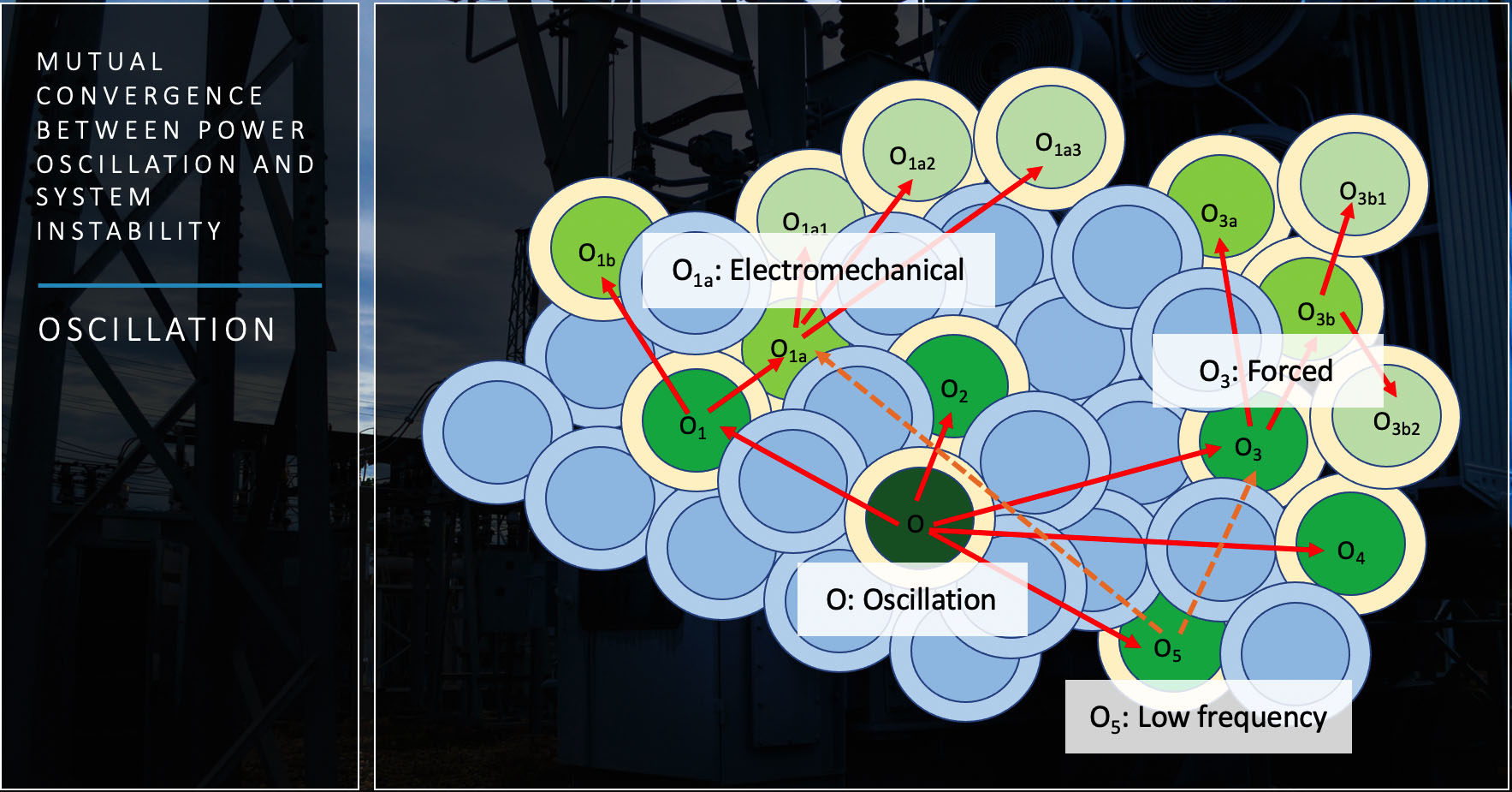
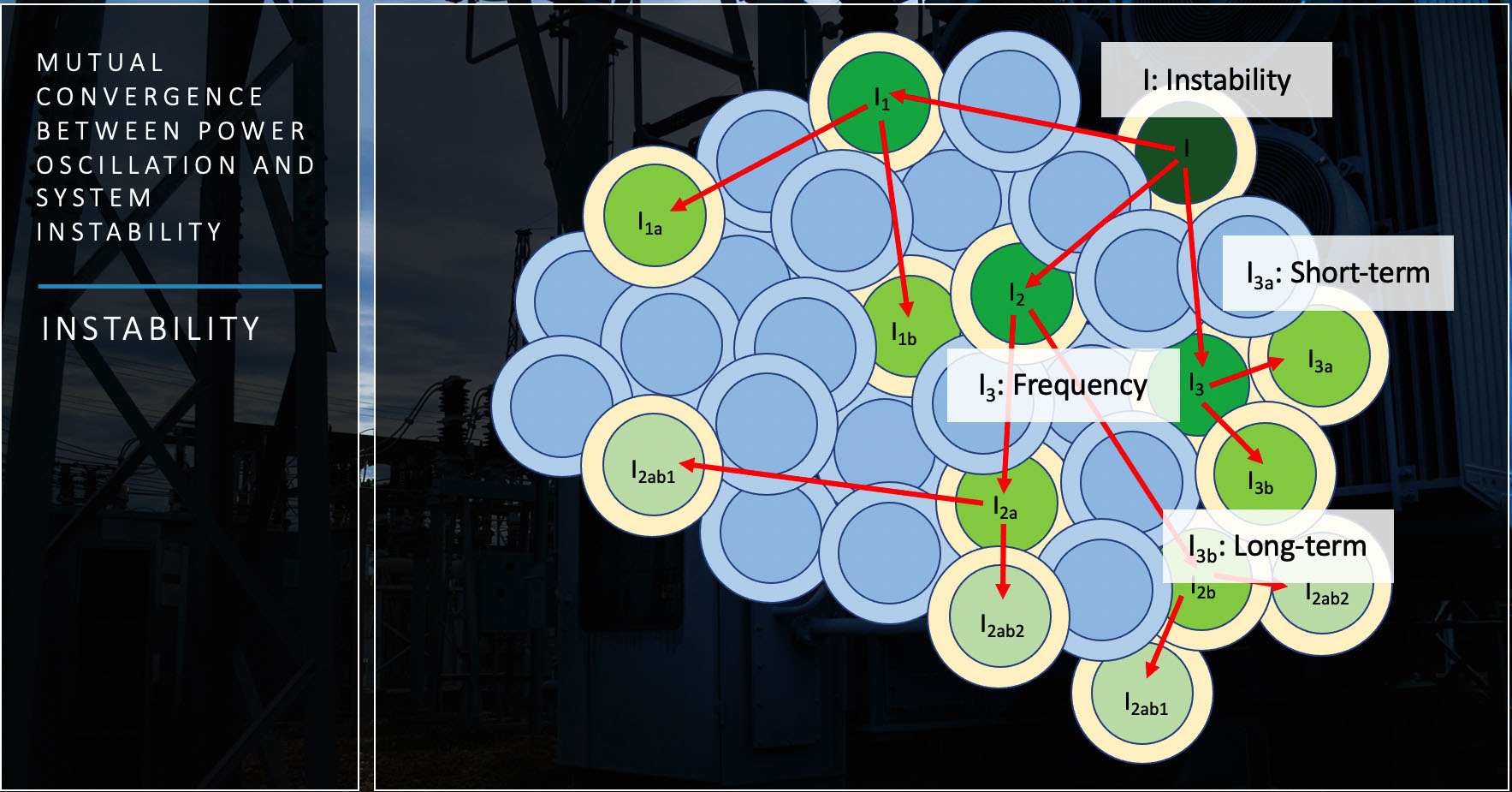
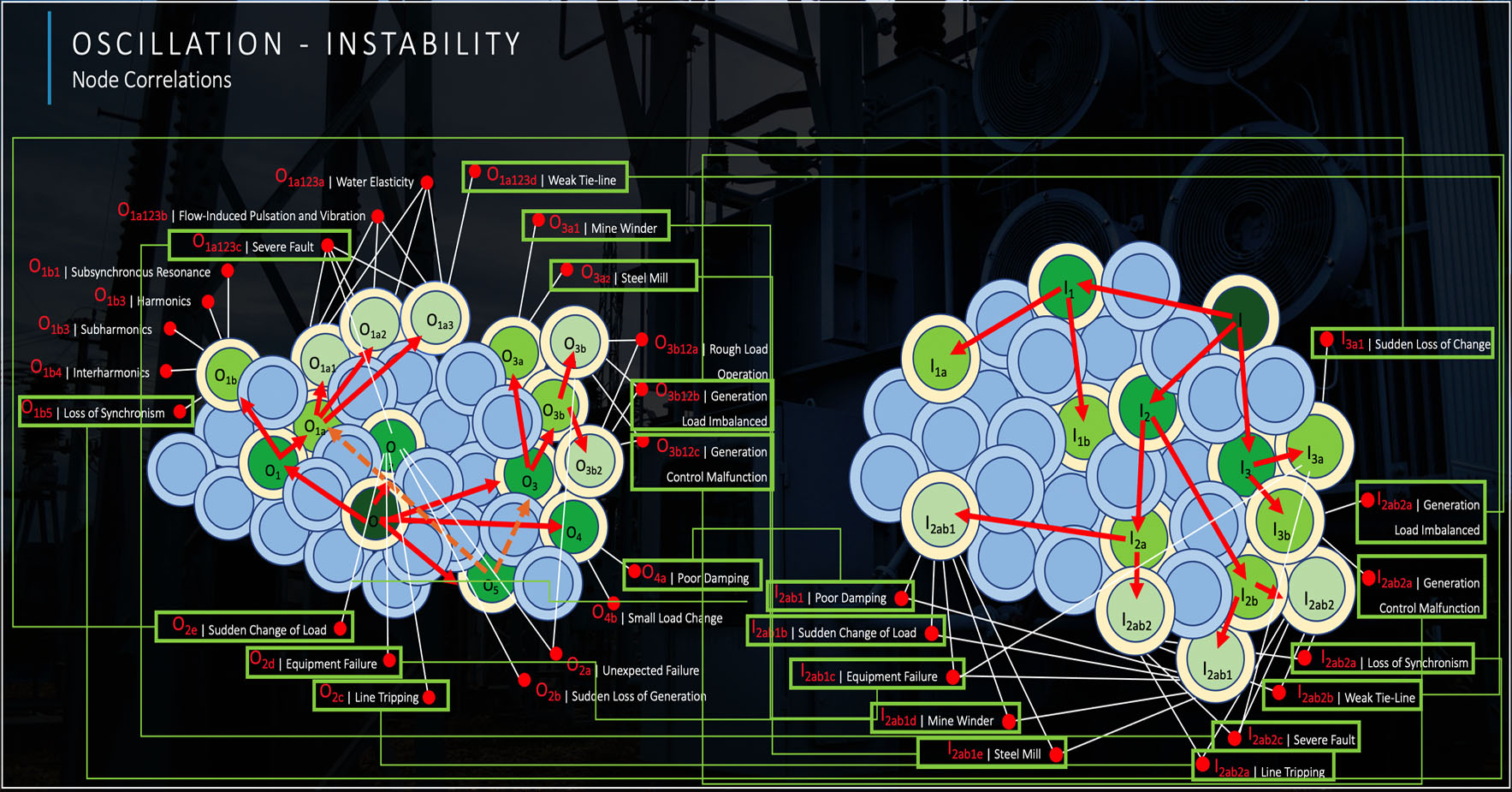
The Vit Tall Critical Infrastructure Network Analysis Software (CINAS) UI and underlying capabilities were designed based upon years of generating decision-making-focused work product deliverables for various organizations (e.g., industry, academia, and government). The previously described node correlations for oscillation and instability within an ODCS pave the way for even more robust network analysis, via CINAS, which has the ability to incorporate upstream, downstream, and lateral data. A snapshot of a prior version of the Vit Tall CINAS UI is shown in Figure 8. Since that time, various CINAS versions have evolved to incorporate AI-based hybridized container orchestration systems with specialized secure sidecars and a focus on a global-scale scheduler, support for multi-region configurations, and a robust mechanism for removing single points of failure so as to enhance resiliency.
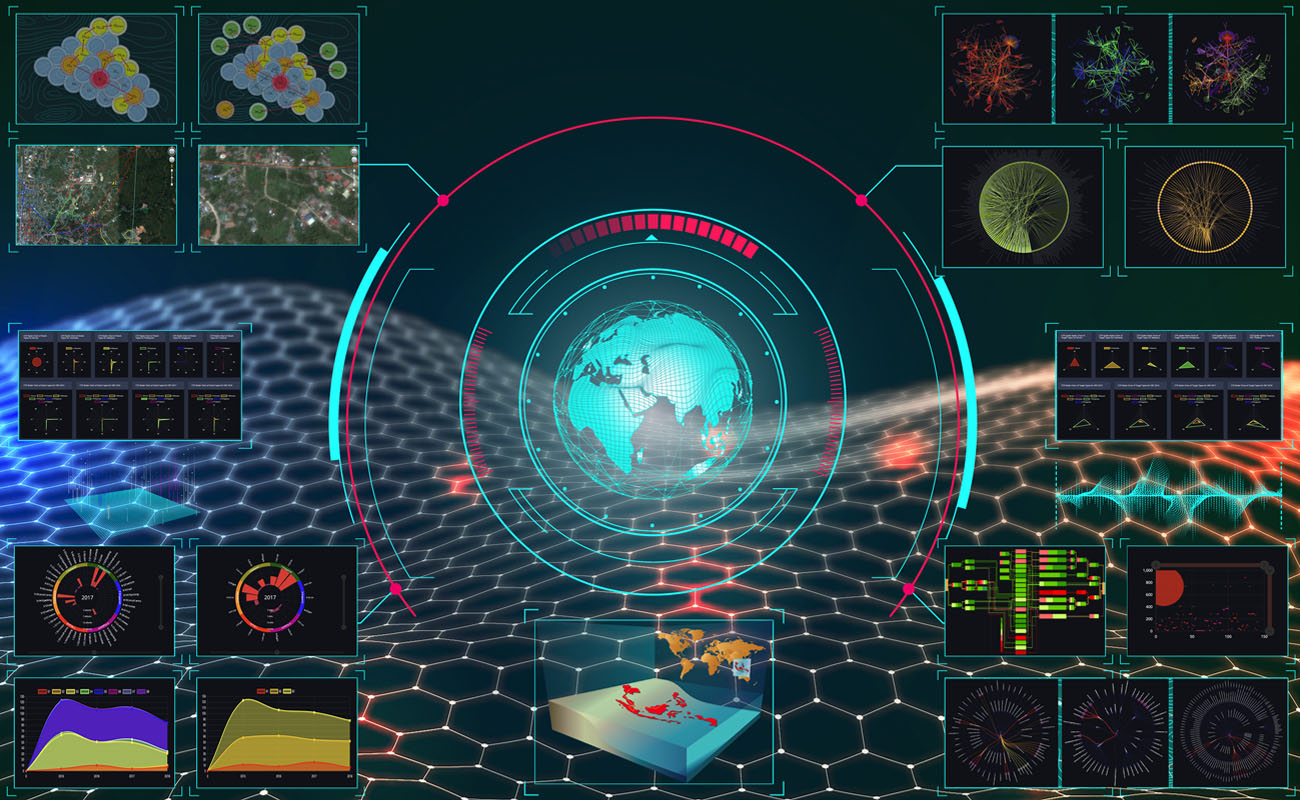
Figure 8
Critical Infrastructure Network Analysis Software UI
Vit Tall CINAS Operational Viewpoint (OV)
The Vit Tall CINAS OV is predicated upon instilling a logical and robust pathway starting with a dynamic nodal Constrained Form Analytics (CFA) graph (Figure 9), putting forth an initial Confidence Linkage (CL) posit (Figure 10), progressing through machine-generated non-coded linkages (e.g., Figures 11 through 13), determining a human-machine-generated classification/coding system as well as progressing through AI-generated coded linkages (e.g., Figures 14 through 16), settling upon a weighted build pre-transposition paradigm with various Nodes of Interest (NOI), and arriving at a post-transposition paradigm with NOI. Collectively, Figures 9 through 20 present a logical progression of: (1) Dynamic Nodal CFA, (2) Dynamic Nodal CFA with an initial CL posit, (3) Dynamic Nodal CFA with Non-Coded CL3, (4) Dynamic Nodal CFA with Non-Coded CL3 + CL2, (5) Dynamic Nodal CFA with Non-Coded CL3 + CL2 + CL1, (6) Dynamic Nodal CFA with Build of Coded CL3, (7) Dynamic Nodal CFA with Build of Coded CL2, (8) Dynamic Nodal CFA with Build of Coded CL3 + CL2, (9) Dynamic Nodal CFA with Weighted Build Snapshot Pre-Transposition with NOI, (10) Dynamic Nodal CFA with Weighted Build Snapshot Post-Transposition with NOI, (11) Dynamic Nodal CFA with Weighted Build Live Post-Transposition with NOI, and (12) Dynamic Nodal CFA with Dynamic Adaptive Weighting Build Live Post-Transposition with NOI.
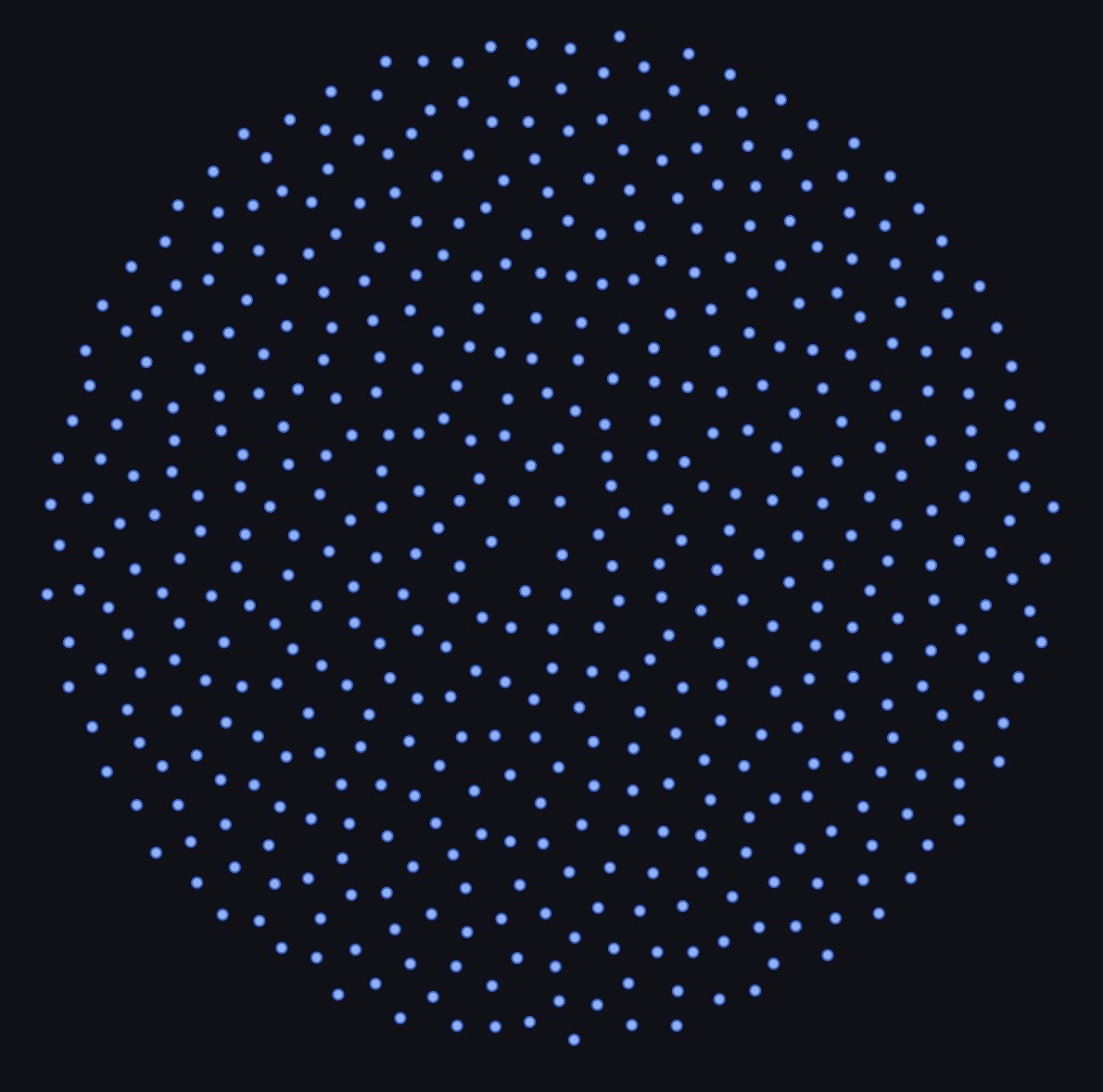
Figure 9
Dynamic Nodal Constrained Form Analytics (CFA)
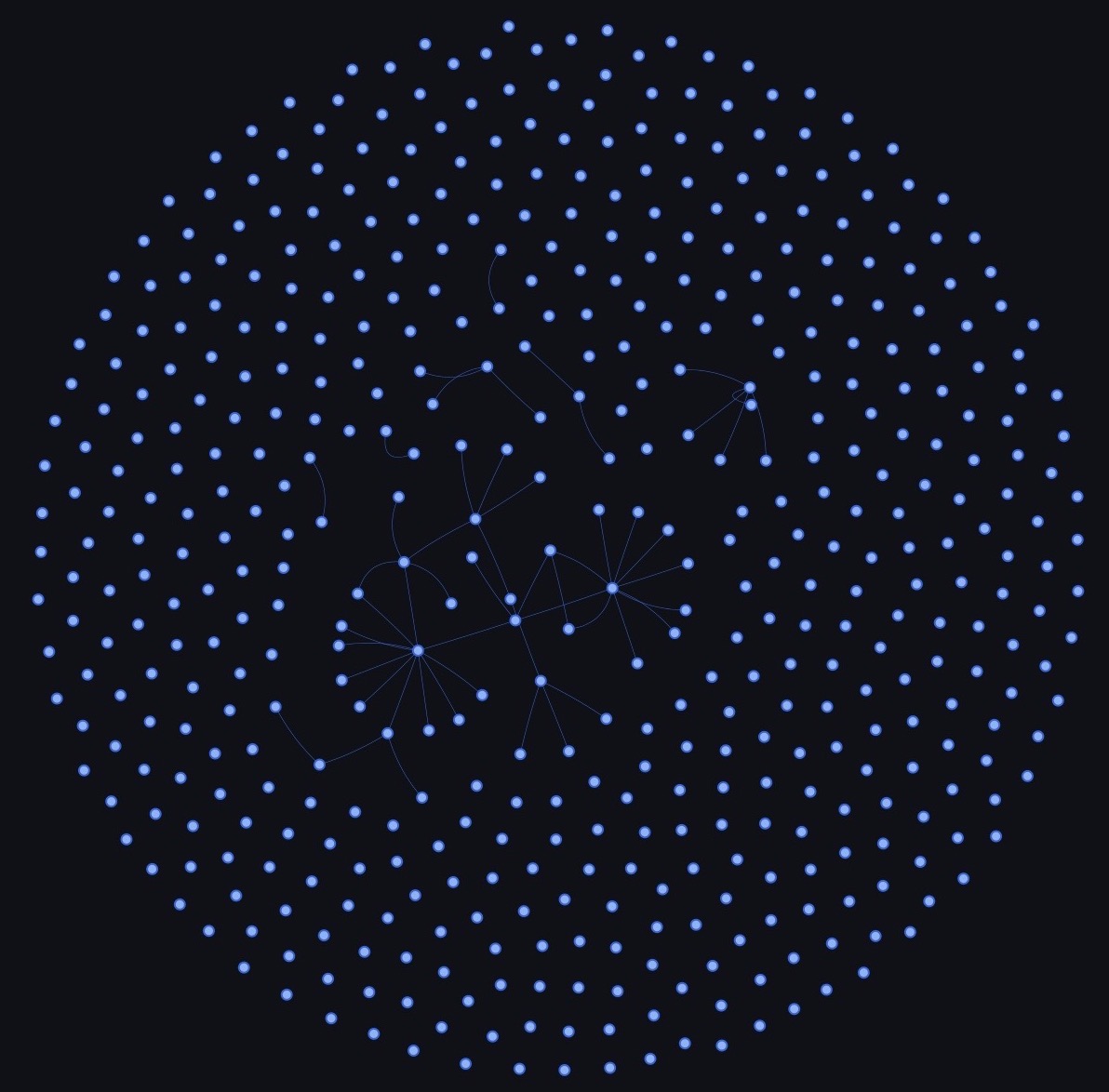
Figure 10
Dynamic Nodal CFA with initial Confidence Linkage (CL) posit
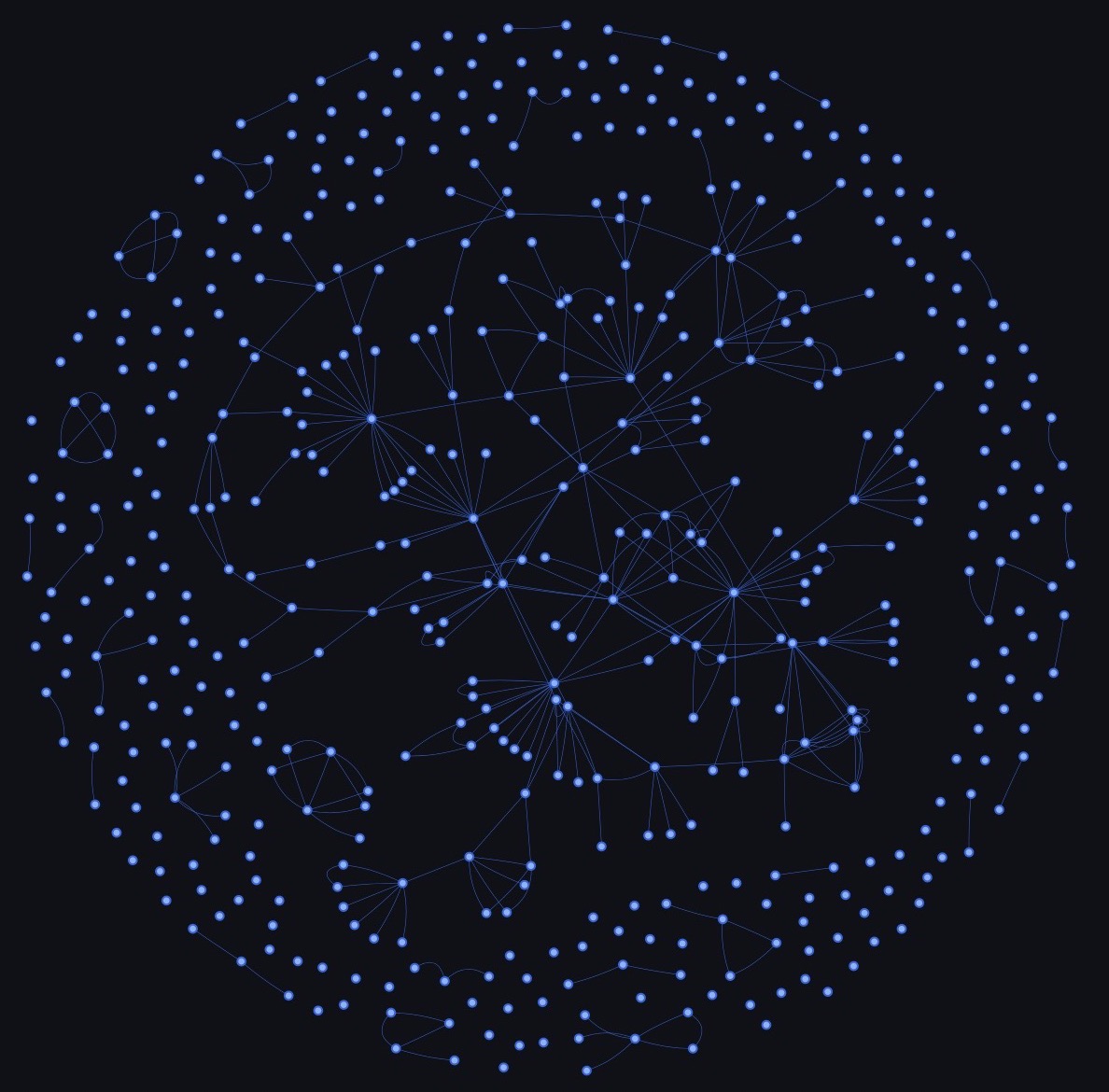
Figure 11
Dynamic Nodal CFA with Non-Coded CL3
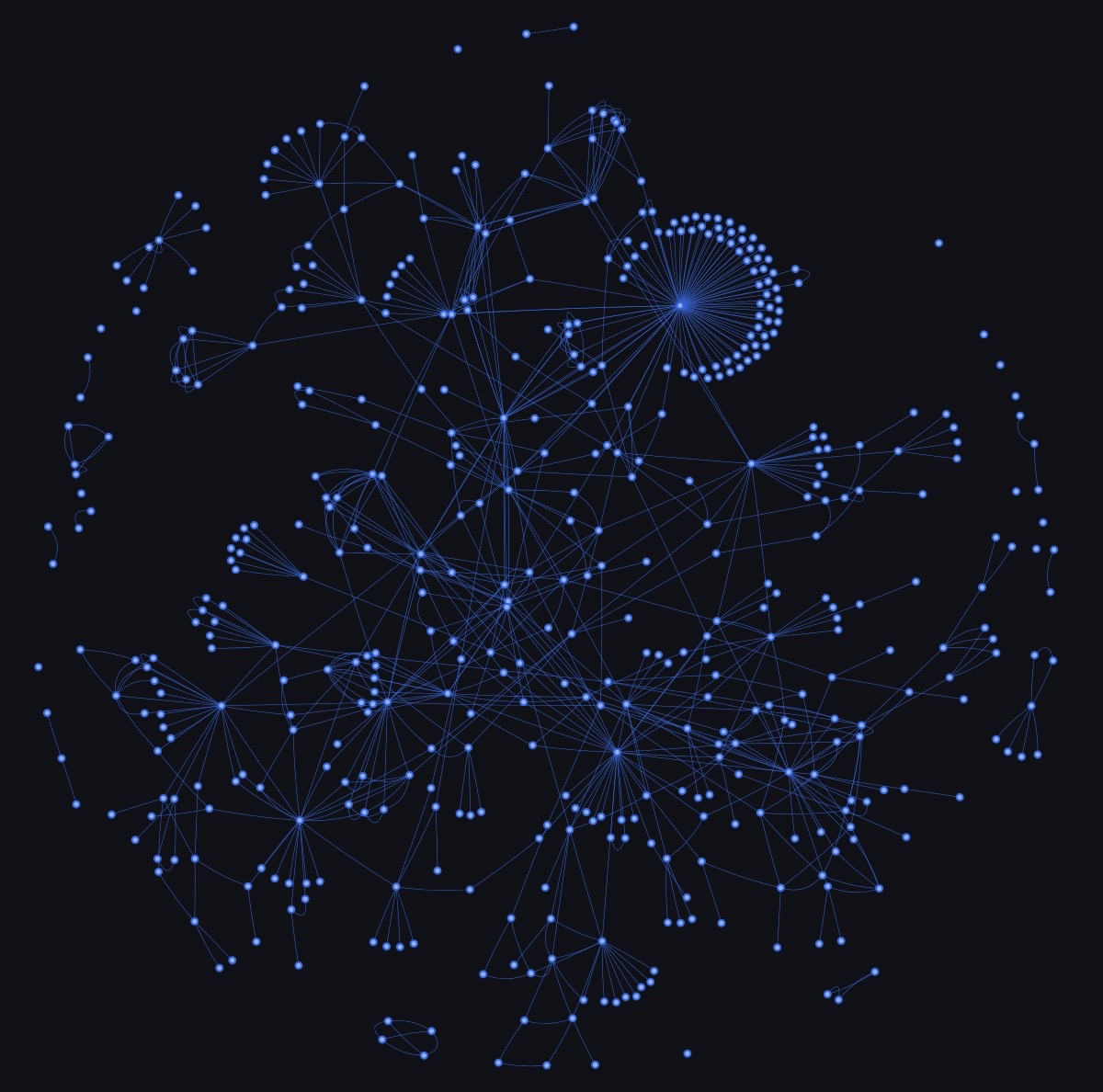
Figure 12
Dynamic Nodal CFA with Non-Coded CL3 + CL2
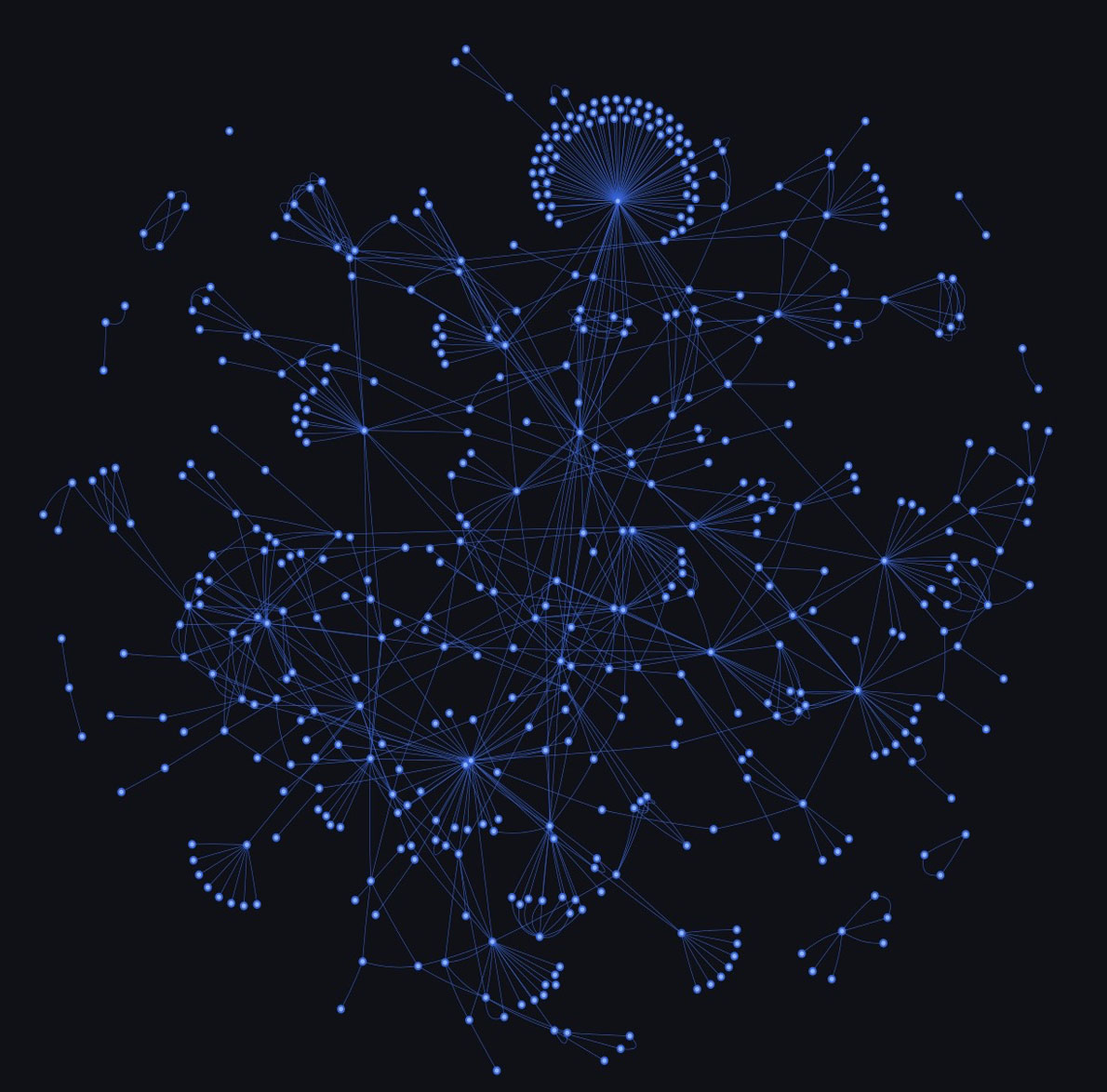
Figure 13
Dynamic Nodal CFA with Non-Coded CL3 + CL2 + CL1
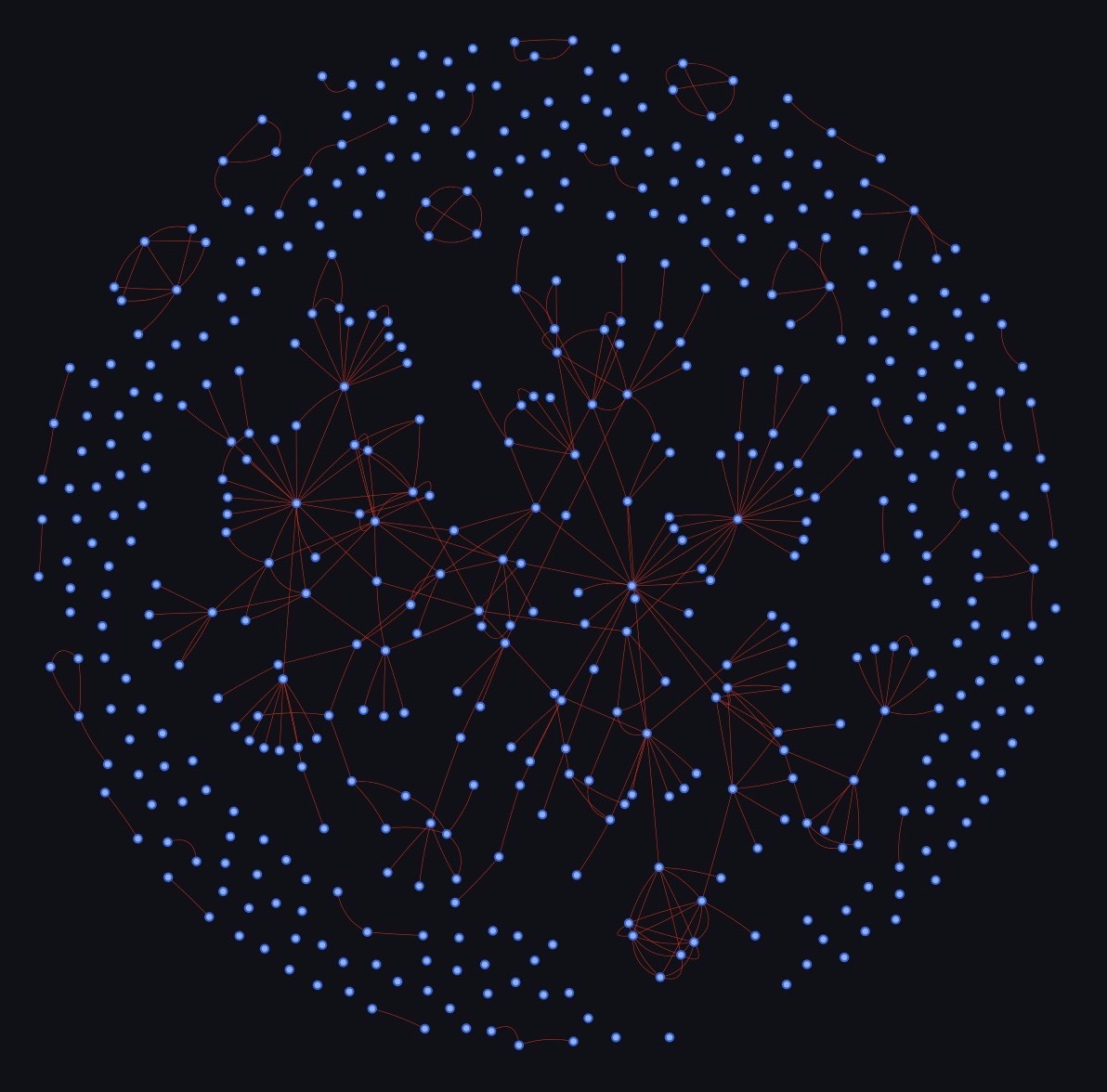
Figure 14
Dynamic Nodal CFA with Build of Coded CL3
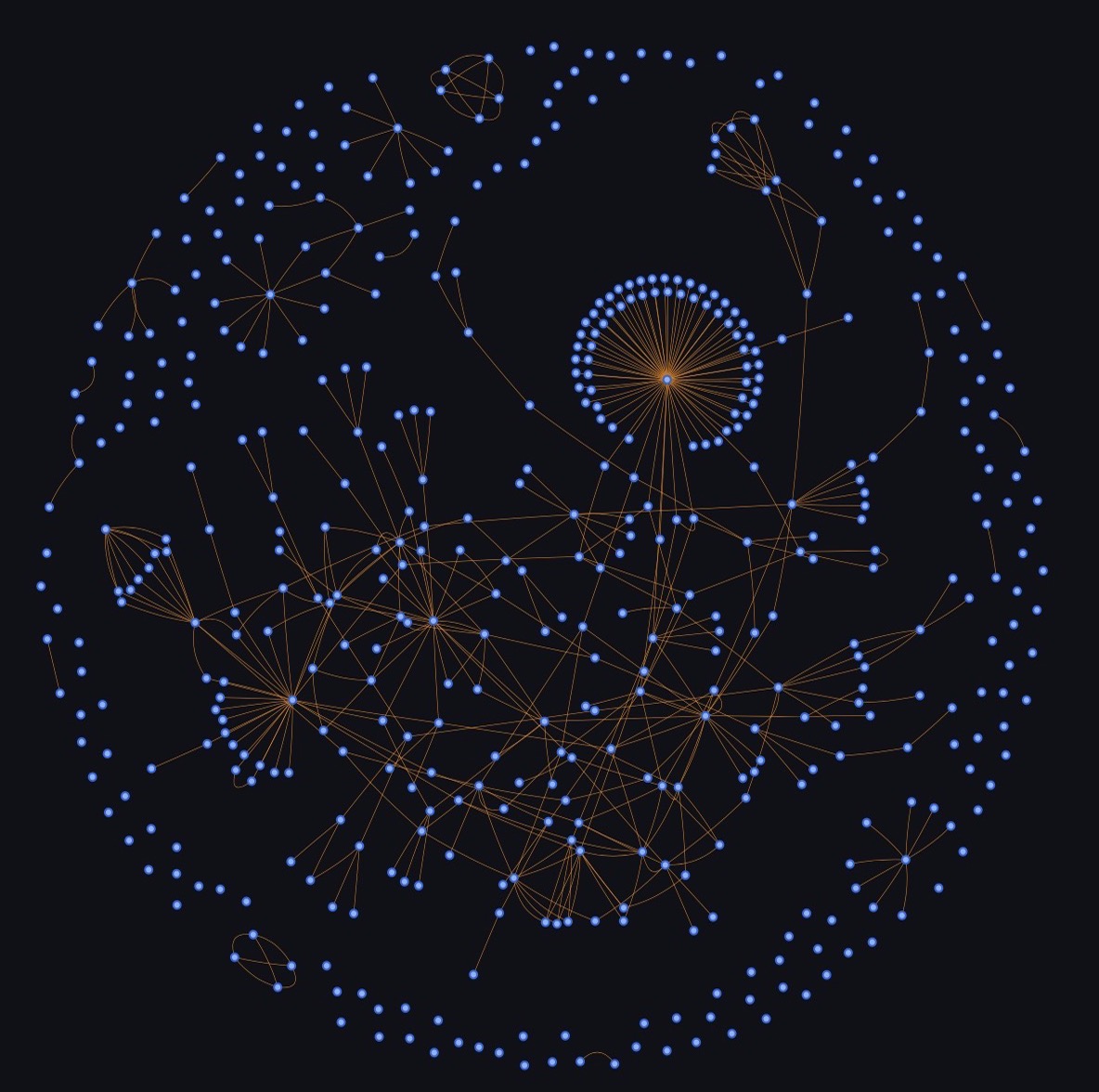
Figure 15
Dynamic Nodal CFA with Build of Coded CL2
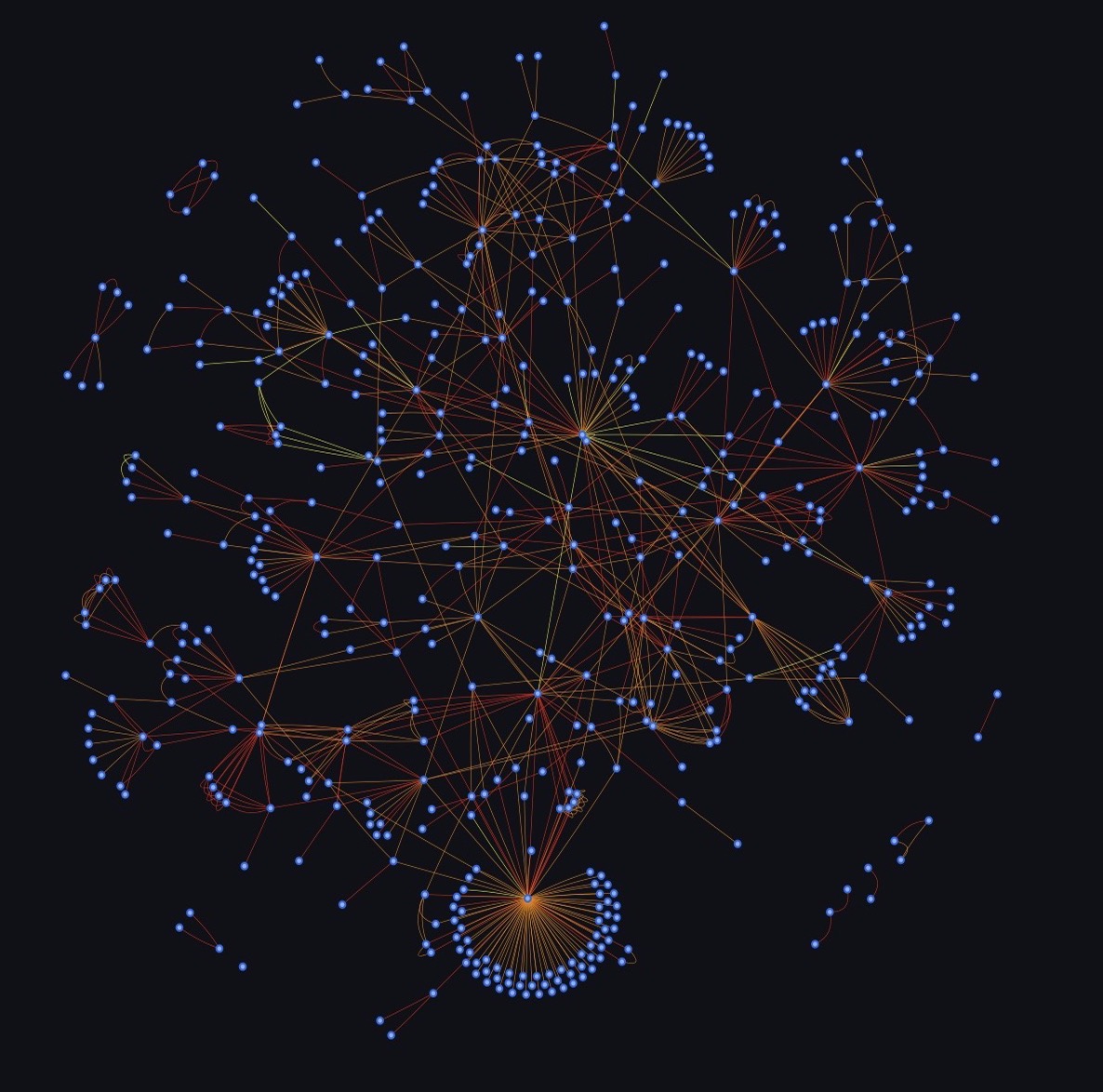
Figure 16
Dynamic Nodal CFA with Build of Coded CL3 + CL2
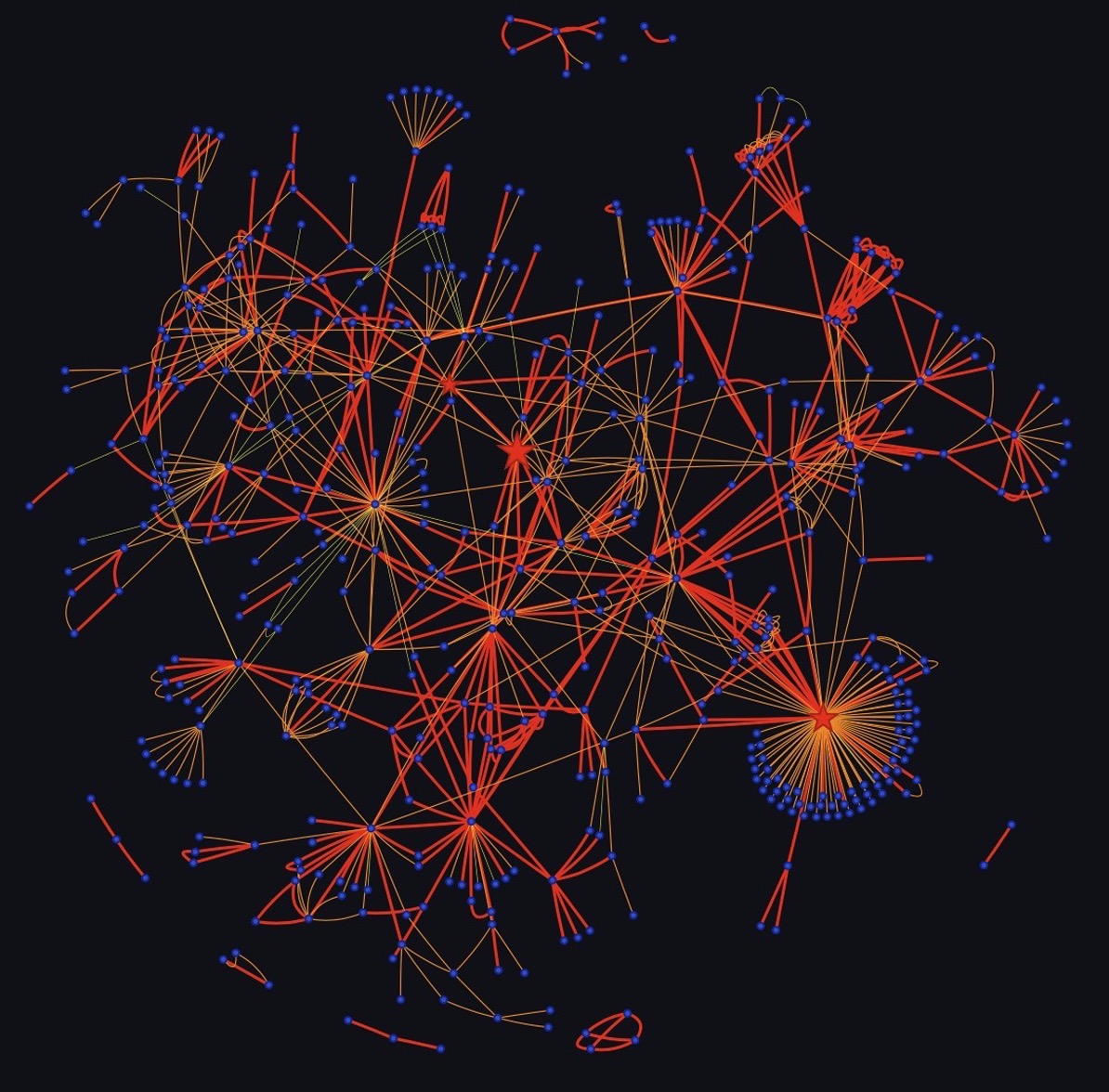
Figure 17
Dynamic Nodal CFA with Weighted Build Snapshot Pre-Transposition with Nodes of Interest (NOI)
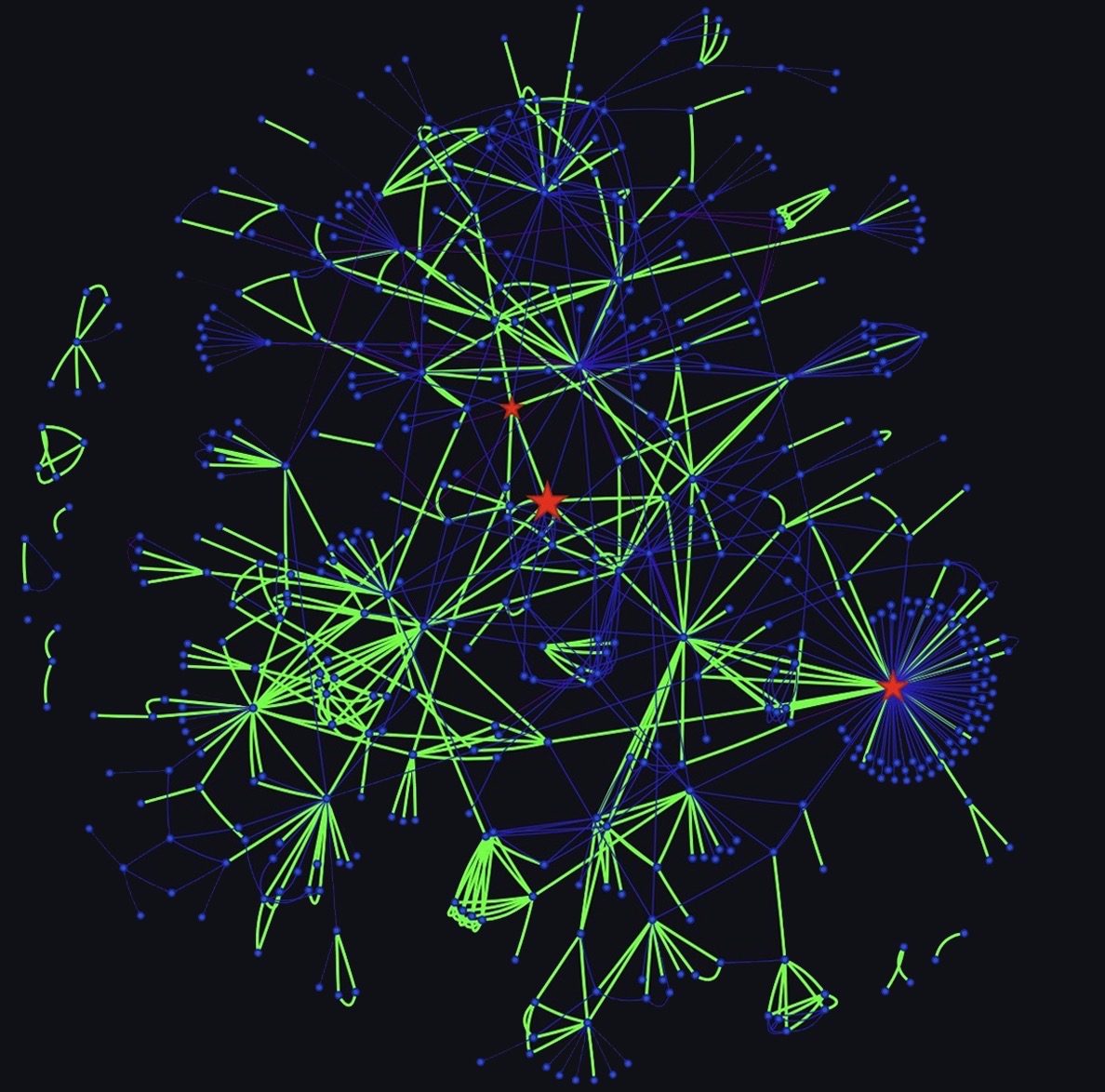
Figure 18
Dynamic Nodal CFA with Weighted Build Snapshot Post-Transposition with NOI
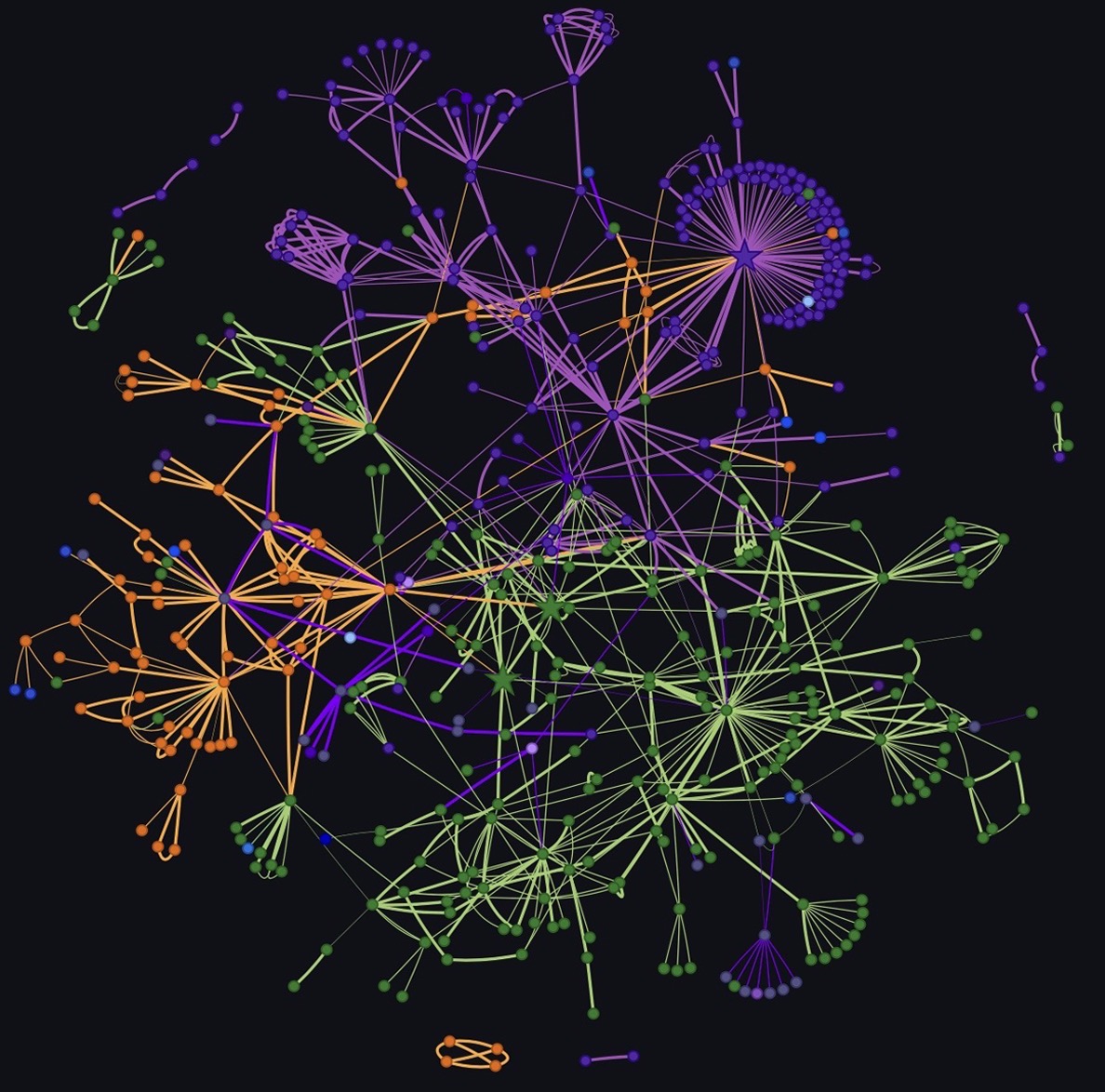
Figure 19
Dynamic Nodal CFA with Weighted Build Live Post-Transposition with NOI
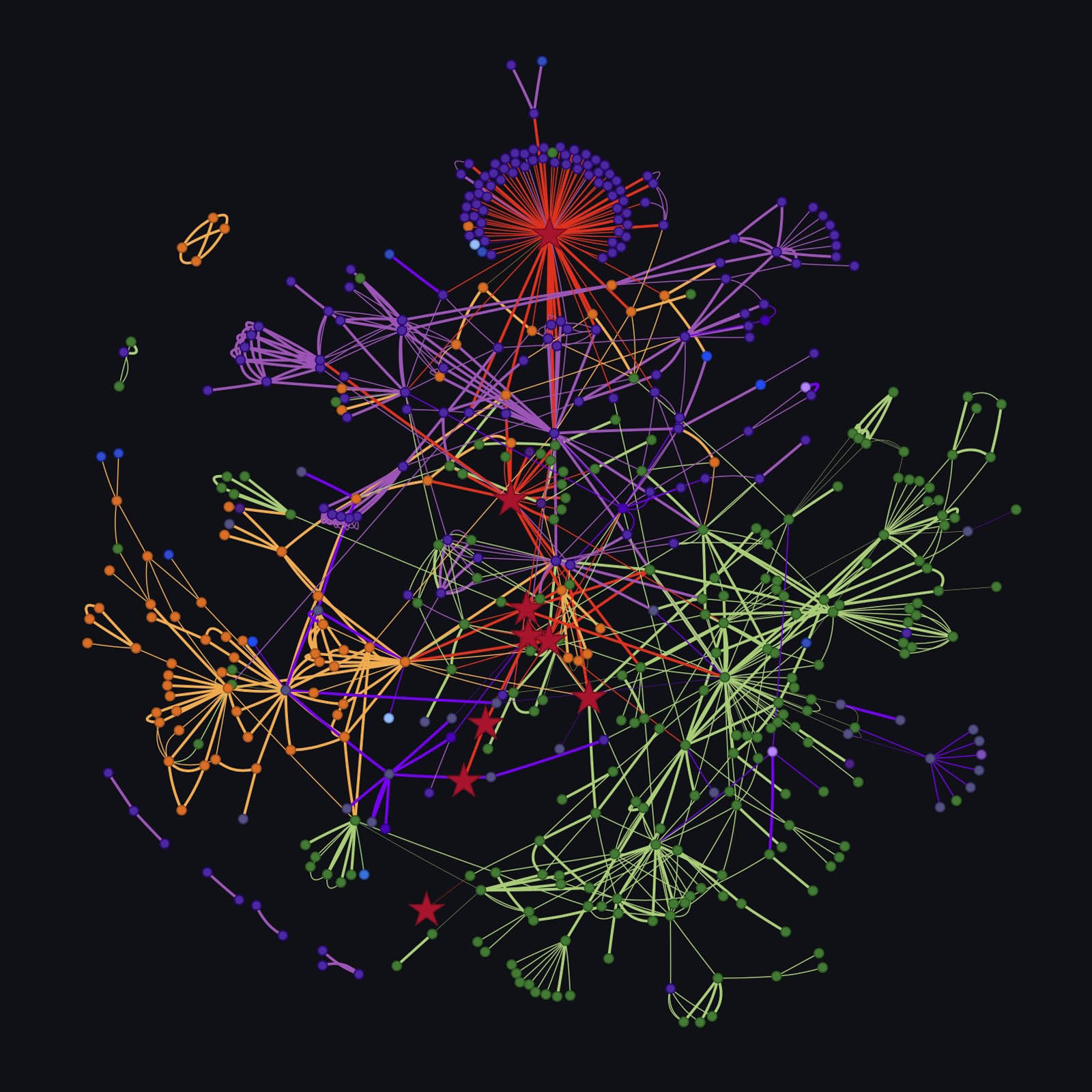
Figure 20
Dynamic Nodal CFA with Dynamic Adaptive Weighting Build Live Post-Transposition with NOI
Logical Progression from a Dynamic Nodal Constrained Form Analytics (CFA) to a Dynamic Nodal CFA with Dynamic Adaptive Weighting Build Live Post-Transposition with NOI
Vit Tall CINAS Concept of Operations (CONOPS)
By way of background information, the Vit Tall CINAS CONOPS is predicated upon Anomaly Detection and Isolation (ADI) of potential Components of Interest (COI) (Figure 21), which is a decreasing of the aperture from NOI to COI and progressing to a CINAS-based ADI of a winnowed set of potential COI (Figure 22), a further winnowed set (Figure 23), and a yet further winnowed set (Figure 24) using higher resolution data and/or telemetry data from lateral sensors. Collectively, Figures 21 through 24 present a logical progression of: (1) CINAS-based ADI of Potential COI, (2) CINAS-based ADI of a Winnowed Set of Potential COI, (3) CINAS-based ADI of a further Winnowed Set of Potential COI, and (4) CINAS-based ADI of a yet further Winnowed Set of Potential COI using Higher Resolution Data and/or Telemetry Data from Lateral Sensors.
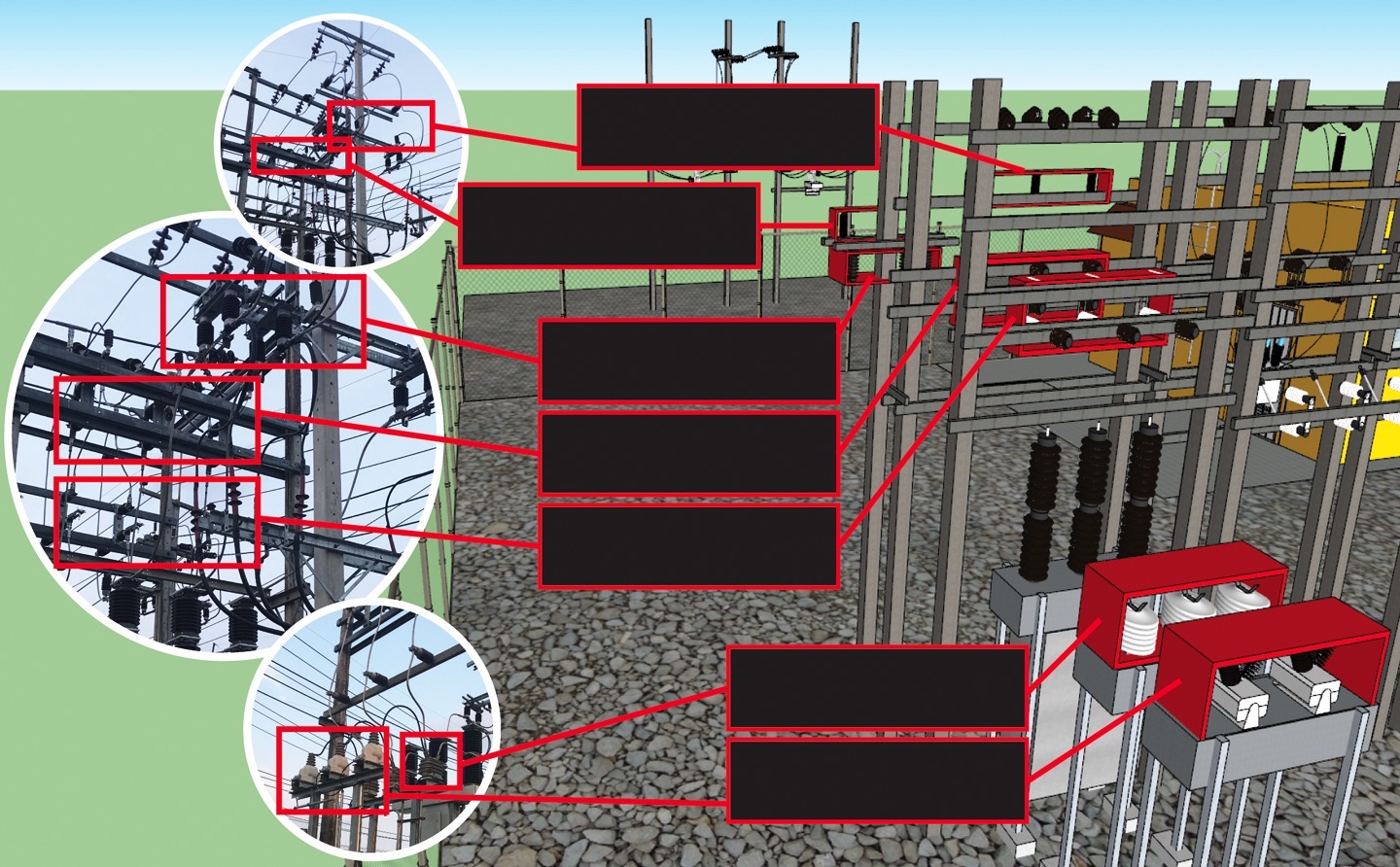
Figure 21
CINAS-based Anomaly Detection and Isolation (ADI) of Potential Components of Interest (COI)
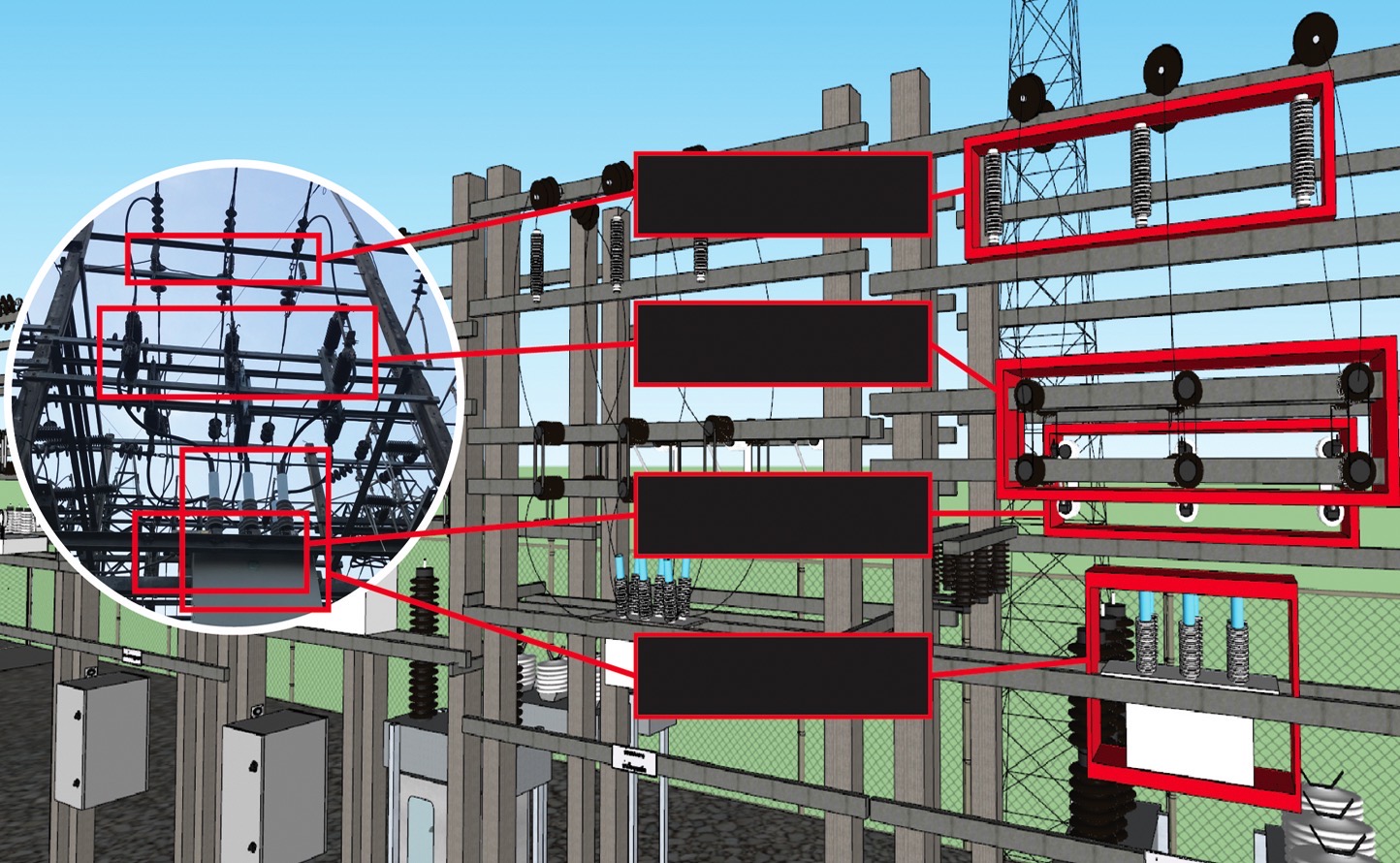
Figure 22
CINAS-based ADI of a Winnowed Set of Potential COI
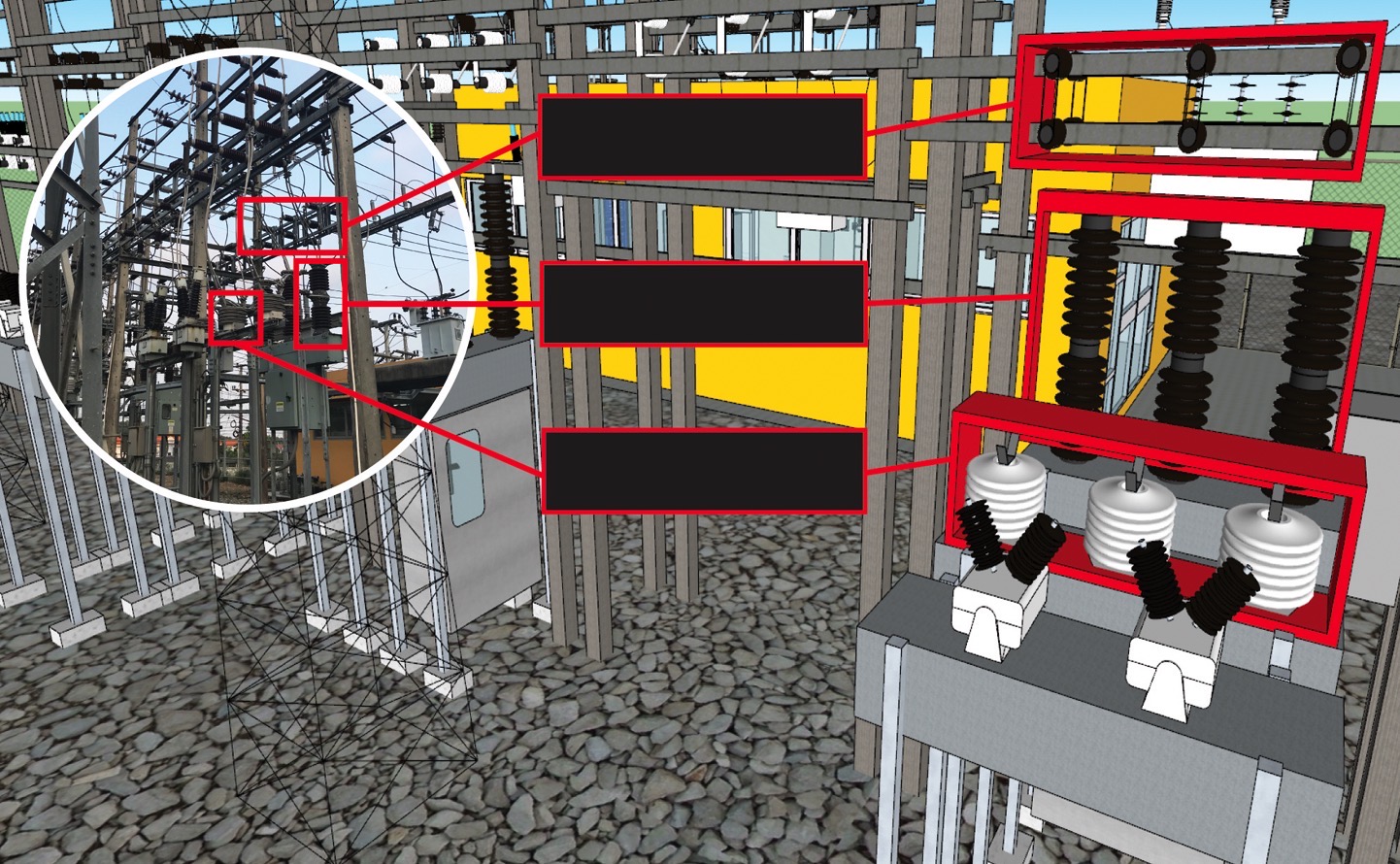
Figure 23
CINAS-based ADI of a further Winnowed Set of Potential COI
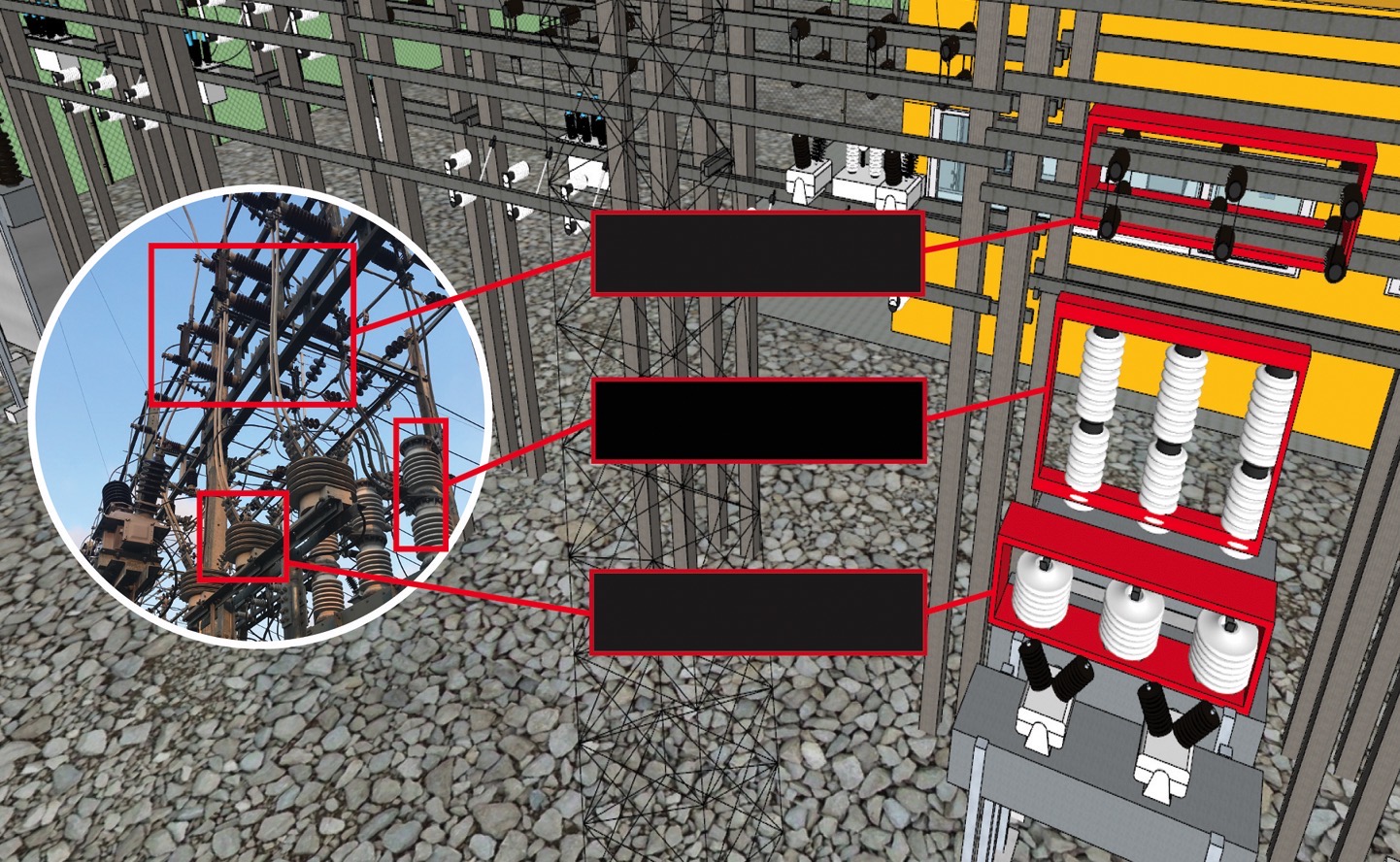
Figure 24
CINAS-based ADI of a yet further Winnowed Set of Potential COI using Higher Resolution Data and/or Telemetry Data from Lateral Sensors
Logical Progression from a CINAS-based ADI of Potential COI to a CINAS-based ADI of a yet further Winnowed Set of Potential COI using Higher Resolution Data and/or Telemetry Data from Lateral Sensors